



The Rivers Trust has responded to the recent declaration of drought in seven regions of England, including: East Anglia; Hertfordshire and London; Thames Valley; Hampshire and the Isle of Wight; Devon and Cornwall; the West Midlands; and Wessex, covering Dorset, Somerset, Wiltshire, and South Gloucestershire.
North Wales and the Upper Severn river basin also entered drought, as declared by Natural Resources Wales.
Whilst the Scottish Environmental Protection Agency (SEPA) does not declare drought, some parts of the region are in the most extreme category of “significant scarcity”.
Drought has also been declared by Natural Resources Wales in North Wales and the Upper Severn Catchment, and some parts of eastern Scotland are in the most extreme category of “significant water scarcity”, according to the Scottish Environmental Protection Agency (SEPA).
As the declaration of drought follows a winter of extremely wet weather, The Rivers Trust Movement is calling for a systemic change in how water is managed across the landscape.
The charity says it is witnessing at “first-hand the devastating impact of these weather extremes on our rivers and the wildlife that calls them home, as well as communities and businesses.
“As a group of environmental charities that exists to ensure wild, healthy, natural rivers, we are warning that unless we see widespread system reform, droughts and floods will become an annual occurrence with worsening impacts.”
Tessa Wardley, Director of Communications & Advocacy, said: “We urgently need to change how water moves through the landscape.
“Too much winter water is being lost quickly from farmland and rivers, instead of being slowed down and stored where it is most needed.
“This doesn’t just compromise our resilience in dry conditions but adds to flood risk when heavy rains do return because water runs off the dry, compacted ground so rapidly.
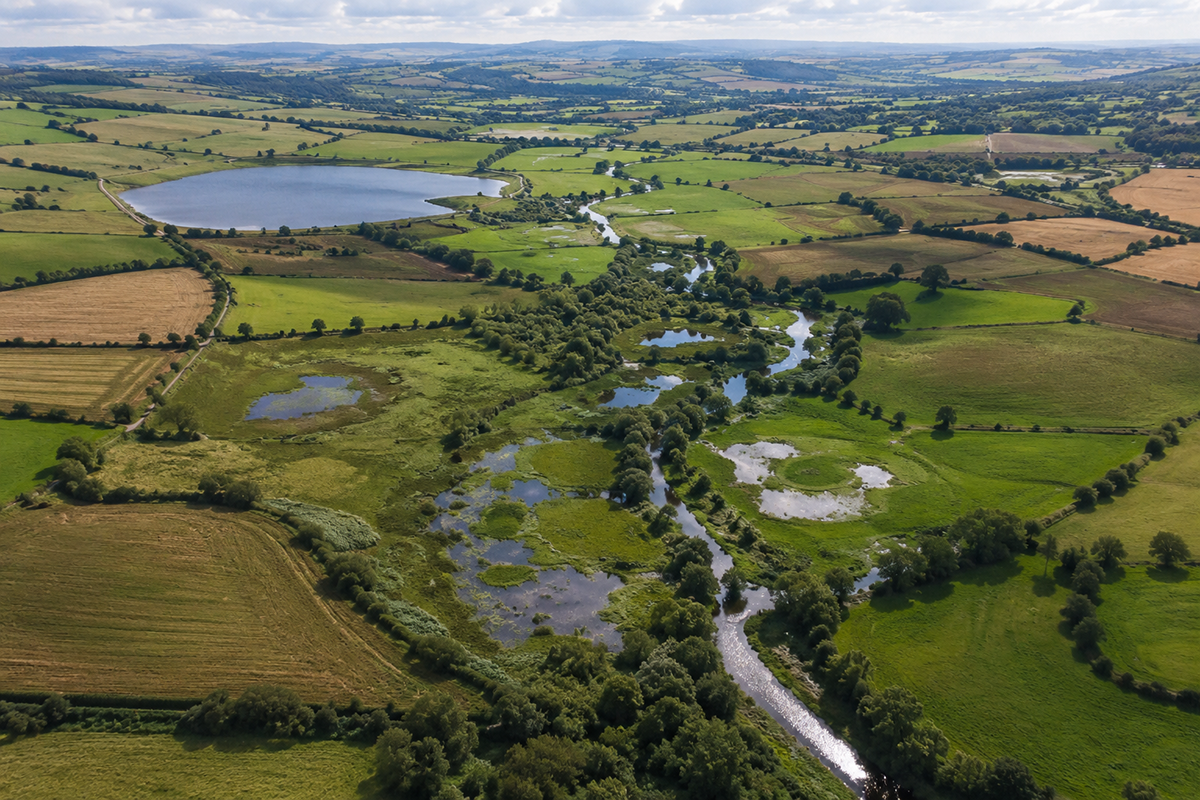
“There is an urgent need to make more space for water on land through measures such as on-farm reservoirs, healthier soils, and the restoration of river corridors and floodplains.
“Interventions that act as natural sponges will store water after heavy rainfall and feed it back into land and waterways during drier months, resulting in a more resilient countryside that remains greener, more productive, and better able to withstand extreme weather.”
As well as undertaking work on the ground to make river catchments more resilient, The Rivers Trust advocates for the changes in policy and funding needed to make rivers fit for the future.