




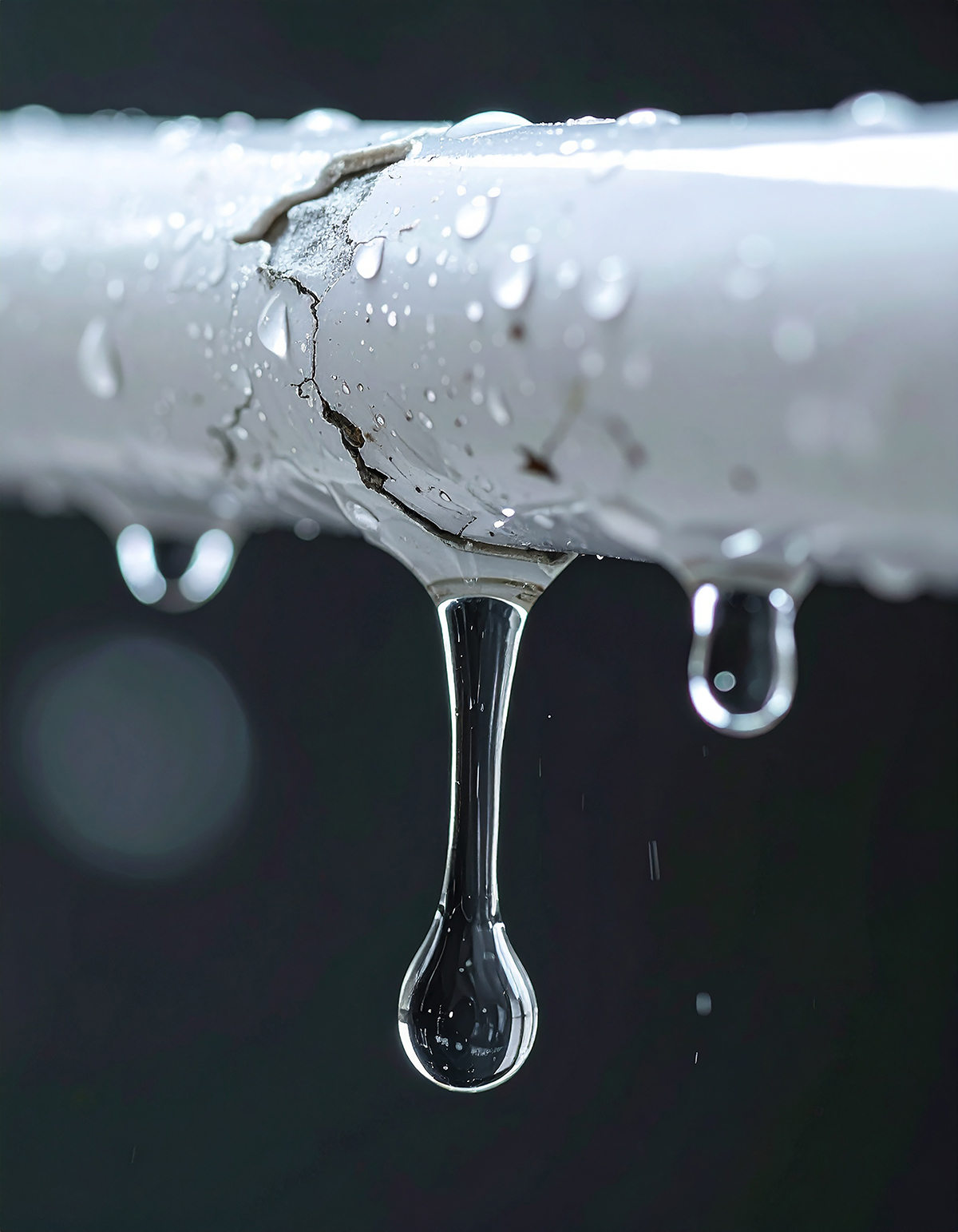
The second Water Efficiency Lab (WEL2) will award up to £5 million to innovators who develop tools and solutions that can help to identify and cut the 1 to 1.5 billion litres of water lost to leaks in homes and businesses every day.
It is estimated that between 1 to 1.5 billion litres a day1 is lost to leaks in our homes and workplaces – equating to up to 547 billion litres a year and costing customers and businesses between £1-1.6 billion.2 This can include leaks from water pipes or fittings, including internal plumbing and external supply pipes within property boundaries.
In addition to the direct cost to customers, “escape of water” claims from businesses and households cost UK insurers £1.25 billion in 2024, with almost three quarters of that sum coming from household leaks.3
Finding and fixing customer-side leaks is essential to achieving better water resilience, securing water supplies for everyone, and preventing the environmental damage if water is over abstracted from aquifers or rivers. By proactively identifying and fixing leaks, customers can reduce their water bills and minimise the risk of costly property damage and unexpected repair bills.
Through the Water Efficiency Lab, Ofwat will award £5 million to the most promising solutions that help to prevent, predict, pinpoint and/or fix customer-side leaks in homes and businesses – with up to £1.5 million available to each winner:
PREVENT: Prevent leaks through better materials, accessible fixtures, or retrofit of durable components
PREDICT: Use data or models to predict where and when a leak is likely to occur before failure happens
PINPOINT: Identify the exact location of a suspected or confirmed leak – such as ‘second floor bathroom toilet’ rather than ‘somewhere in this property’
FIX: Enable low-intervention, low-disruption or low-cost repairs, or simplify the repair journey from detection to completion
Paul Hickey, Managing Director of RAPID, Ofwat said: “A quarter of all the water lost to leaks happens in our homes and businesses, but cutting them will save water, energy and customer money. However, water users cannot be expected to reduce their water consumption on their own – that’s why they need new tools, technologies and insights funded by the Water Efficiency Lab to reduce their water consumption in a way that supports, or improves, quality of life or business operations.”
Dr Dan Simmons, Managing Director, Quensus Intelligent Water Management & Leak Detection, which is leading the Water Efficiency Lab 1 winning project, The WIN Initiative said: “UK commercial properties lose up to 30% of their water to hidden customer-side leaks like faulty toilet valves. Data alone doesn’t stop this.
“Through The WIN Initiative, we combine live water sensor data with a building’s occupancy and energy use to separate real problems from normal variations in water use.
“Round one funding has already helped us clear a significant hurdle: getting tenants, landlords, facilities managers, water retailers, and insurers to agree to the installation and data-sharing. Scaled nationally, this technology could save up to 35 million cubic metres of water a year.”
The Environment Act has set an ambitious target to reduce the use of public water supply per person by 20% to 122 litres a day by the end of March 2038 (ultimately aiming for 110 litres a day by 2050) to protect the environment and secure drinking supplies.
Leaks in homes and businesses account for around a quarter of water lost to leaks in England and Wales, with three-quarters (almost 3 billion litres a day) occurring in the mains network.4 Water companies have record levels of funding to make the biggest upgrade ever seen to water infrastructure, improving water supply and resilience.
This includes a targeted 17% reduction in leakage by 2030, on top of the 43% reduction achieved in the last 35 years. Where companies fail to deliver, Ofwat will hold them to account including returning money to customers.
Just one leaky toilet can lose as much as 250L per day – and cost customers around £20 a month. With the right tools and technologies to stop leaks on their premises, the Water Efficiency Lab aims to save customers money while driving down leaks.
In June 2026, Ofwat announced the winners of WEL1, which is funding innovations that provide water users with data-led insights to help them make water efficient choices.
The winners include the WIN Initiative, led by Quensus, which has been awarded £495,000 to install more than 1,000 sensors across 30 commercial buildings to tackle the 10 to 30 per cent of water lost in commercial settings to leaks and continuous flow.
The project will also test whether linking water efficiency to insurance premiums could turn water saving from a voluntary commitment into a financially motivated one, with insurer Aviva exploring how a new Water Management Plan standard might unlock benefits for building owners.
The Water Efficiency Lab is delivered by innovation prize experts Challenge Works (part of Nesta), in partnership with Arup and Isle, and funded by Ofwat’s Water Efficiency Fund.
Applications close on 20 October 2026. For full details and to apply, visit waterinnovation.challenges.org
References
1 SOURCE: Customer Supply Pipe Leakage and Plumbing losses reporting definitions, Artesia and HR Wallingford, April 2026 (for Ofwat)
2 The typical cost of a litre of tap water is 0.3p/litre (or £0.003/litre), equating to between £3,000,000 and £4,500,000 a day for 1-1.5 billion litres of water lost to customer side leakage, or £1,095,000,000 to £1,642,500,000 a year.
3 Estimates from the Association of British Insurers
4 Approximately 3 billion litres of water is lost to leaks in the mains network every day in England and Wales. Water companies have targets to reduce network leakage by 17% by 2030. SOURCE: Ofwat: Leakage.