



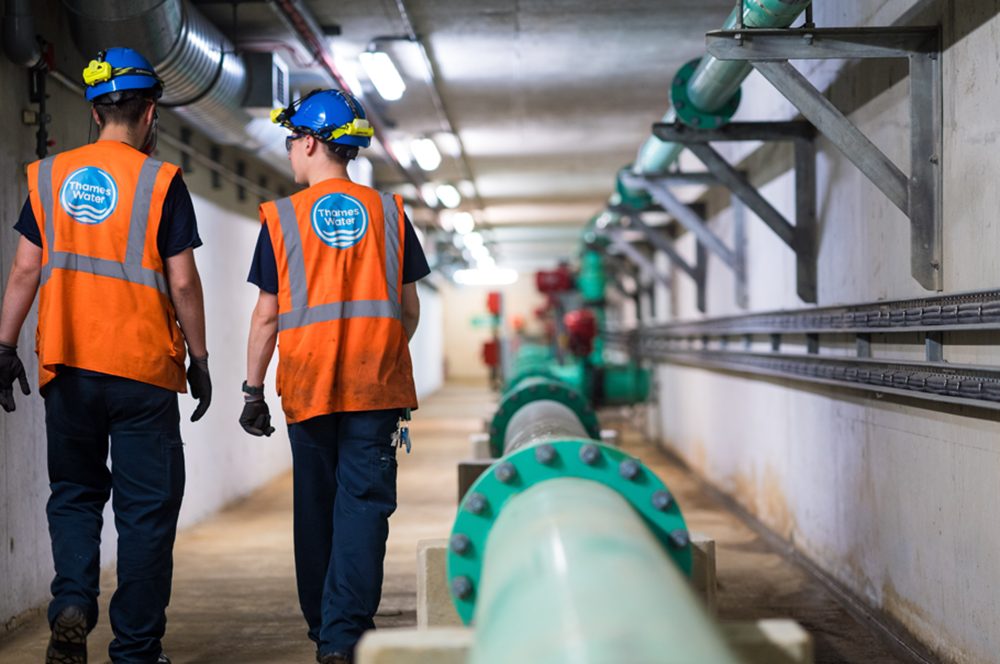
Thames Water is nearing completion of a £46 million pipeline project in Guildford, as part of a wider investment of over £90 million to secure the area’s water supply for future generations.
The upgrades, which include major improvements to water treatment facilities, will boost reliability for thousands of homes, protect local rivers, and strengthen Guildford’s resilience against future supply interruptions and extreme weather events.
The £46m project to lay 9kms of new pipe connects west Guildford’s water supply to the east, linking from Pewley Reservoir to Netley Mill Water Treatment Works.
This will keep water flowing for homes in Cranleigh and the surrounding area. Work has also been carried out by Galliford Try, who’ve been working to protect the local environment and habitats along the route.
A major project to improve Shalford Water Treatment works is also underway, following the 2023 water supply outage in the area.
The upgrades will significantly improve plant reinstatement after any future outages, with disinfection system upgrades also being carried out. This project is due for completion in 2028 with Thames’ investment into the site standing at £35m.
In addition, nearly 5km of clean water pipe will be replaced on Guildford Road, an area which has experienced issues with bursts over the past few years. Work begins in January 2026.
Paul Wetton, Thames Water’s Strategic Programme Director for Water, said: “Our purpose is to deliver life’s essential service, so our customers, communities and the environment can thrive.
“Since 2023 we have focused on improving the resilience and reliability of the water supply in Guildford and the surrounding areas. We have made notable upgrades to our water treatment and are now nearing completion of relaying the pipeline between the east and west of Guildford.
These upgrades and improvements will be vital in helping to prevent future supply interruptions across the local area.”
Thames Water is embarking on its biggest network upgrade in 150 years over the next five years (2025-2030) as part of its £20bn ground-breaking programme to upgrade water and wastewater services for generations to come.
This upgrade will give greater resilience to more extreme weather patterns, meet the continuing challenge of population growth and support economic growth in the UK.