




The construction & infrastructure sectors are entering one of the most significant investment periods in recent memory.
And across the UK, billions of pounds are being committed to improving essential services, strengthening resilience and delivering the infrastructure needed for future generations.
However, alongside the challenge of delivering these ambitious programmes sits another equally pressing issue: finding the people needed to make them happen.
Skills shortages continue to affect projects across the construction sector.
From site-based roles through to project management, planning and commercial functions, organisations are competing for an increasingly limited talent pool.
And as a result, many businesses are beginning to look beyond traditional recruitment methods and explore new ways of attracting people into the industry.
One approach gaining momentum is the development of structured training programmes that create alternative routes into infrastructure careers.
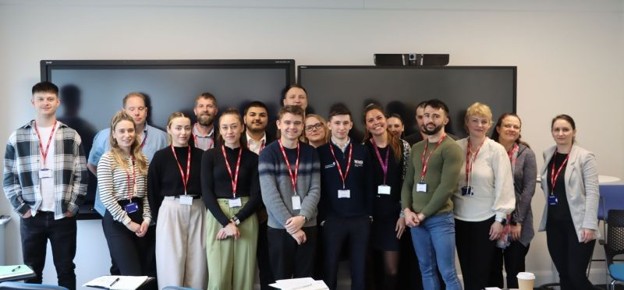
A great example is in the Anglian Water’s @one Alliance, through their Project Delivery & Construction Operative Training Schools.
This training programme was originally established back in 2022 to help identify talented individuals from a wide range of backgrounds including retail, hospitality and the sports sectors for example.
And the aim is to provide them with the skills needed to build successful careers within the infrastructure sector through the school.
The most recent cohort saw fifteen trainees complete a 10-week programme and progress into permanent roles across the Alliance. Demand for places remains high, with 215 applications received for this intake alone, and just 15 selected.
Since its launch, circa 700 people have applied across both of our many project delivery and construction-focused training schools, which represents the high demand for people to move across and into the industry.
Importantly, many of those applying had never previously worked in construction, engineering or the water sector.
Instead, the programme focuses on identifying individuals with the right behaviors, attitudes and potential. It recognises that many of the skills required within project delivery environments can be developed through structured learning, mentoring, and practical experience.
Beyond addressing skills shortages, the programme is also improving diversity across the sector. While women represent around 15% of the UK construction workforce, recent Project Delivery Training School cohorts achieved female participation of 43% and 73%, demonstrating the impact of widening access routes.
And as the industry prepares sustained investment over the coming years, the importance of attracting, developing and retaining talent continues to grow. Initiatives such as the @one Alliance Project Delivery Training School highlight the role that structured development programmes can play in strengthening the pipeline of future professionals.
Ultimately, the success of major infrastructure programmes will depend not only on the projects delivered, but on the people equipped to deliver them. Creating accessible and effective routes into the industry will remain critical to meeting that challenge.