




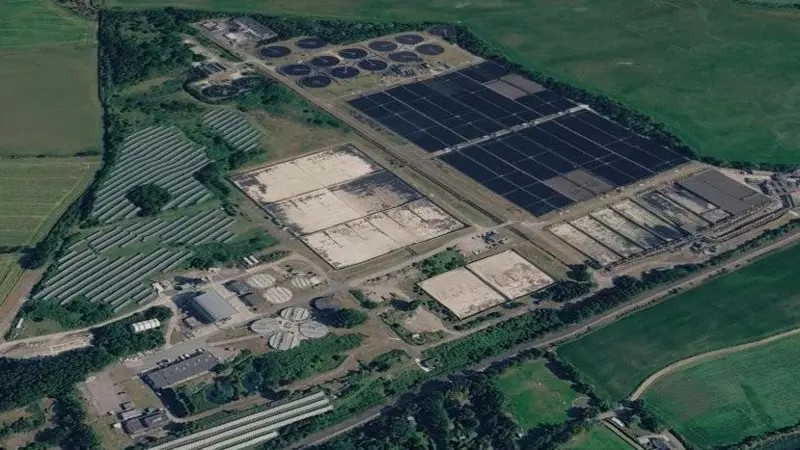
The UK’s largest membrane bioreactor (MBR) is being installed by United Utilities at its Wigan wastewater treatment works.
The scheme – part of a £230m investment – aims to slash phosphorus, ammonia and iron levels in treated wastewater before it flows into the River Douglas.
Work starts later this year and is anticipated to finish by 2030.
The high-performance filtration MBR system will be a significant boost for treatment capacity and water quality, addressing the growing pressures of population and environmental regulation.
Work is also being carried at United Utilities’ Skelmersdale works as part of the same initiative.
The new treatment processes will increase capacity at both works and – together with the refurbishment of existing storm tanks – will reduce the number of times storm overflows operate during periods of heavy rainfall.
United Utilities has already announced £50m of investment at six sites across Wigan to create additional storage that will help cut storm overflow operations in the area.
Simon Holding, Wastewater Business Lead for United Utilities in Lancashire, said: “This investment is vital for delivering improvements to water quality in the River Douglas.
“It will help us to future proof our wastewater services in the area as we see new housing developments and the local population continuing to grow.
“By upgrading our treatment works at Wigan and Skelmersdale with innovative technology, we can treat wastewater to much higher standards and reduce the number of times storm overflows operate – which is something our customers have told us they want to see.”
The scheme forms part of United Utilities’ largest programme of water and wastewater investment for a century across the North West.
The company is investing more than £13bn before 2030 to protect and enhance over 500km of rivers, lakes and bathing waters, while safeguarding drinking water supplies for millions of customers.
The works will be delivered through United Utilities’ Enterprise delivery model, bringing together United Utilities and seven design and construction partners as one integrated team.